How I Turned Jewelry Into a Smart Investment Game
What if your favorite necklace could do more than just sparkle? I once saw jewelry as pure expense—until I learned how to treat it like an asset. This isn’t about flashy designer labels or trendy trinkets. It’s about choosing pieces that hold value, tell stories, and even grow in worth over time. Investing in jewelry doesn’t have to be risky or confusing. With the right mindset and strategy, it can be both meaningful and financially smart. Let me show you how.
The Mindset Shift: From Bling to Long-Term Value
For many, jewelry represents sentiment—anniversary gifts, heirlooms, or milestones marked in gold and gemstones. Yet beneath the emotional surface lies a quiet financial potential often overlooked. The first step in transforming jewelry from decoration to investment is a shift in perspective: from viewing it as consumption to recognizing it as a form of tangible wealth. This doesn’t mean stripping away personal meaning. On the contrary, the most valuable pieces often carry both emotional resonance and financial strength. The key is intentionality. When purchasing with an investment mindset, every decision—from design to origin—is filtered through the lens of durability, rarity, and long-term desirability.
Not all jewelry appreciates in value. In fact, the majority depreciates, much like a new car driving off the lot. Mass-produced items from fast-fashion jewelers, while attractive at first glance, rarely hold their worth. They are crafted for trendiness, not timelessness. True investment-grade jewelry, on the other hand, is built to last—both physically and in market demand. It’s made from high-quality materials, often handcrafted, and backed by provenance or brand reputation. Recognizing this distinction is critical. A piece doesn’t need to be expensive to be valuable, but it does need to be authentic, well-made, and rare enough to remain desirable over decades.
Patience is another cornerstone of this mindset. Unlike stocks that can fluctuate daily, jewelry values evolve slowly. Appreciation often takes years, even generations. This requires a long-term outlook and a willingness to resist the temptation of quick resale. The most successful jewelry investors are not speculators; they are stewards—people who understand that value compounds quietly over time. They buy not because a piece is in vogue, but because it has the qualities that endure: craftsmanship, material integrity, and timeless design. This approach transforms jewelry from a fleeting indulgence into a legacy-building tool.
What Makes Jewelry an Investment? The Value Drivers
At the heart of every valuable jewelry piece are the elements that determine its worth: materials, craftsmanship, authenticity, and story. These factors don’t operate in isolation—they work together to create a hierarchy of value. The most powerful driver is material rarity. Gold, platinum, and certain gemstones are finite resources, and their scarcity underpins their long-term appeal. But material alone isn’t enough. A gold-plated chain may look luxurious, but without solid content, it holds little resale value. Investment-grade jewelry uses precious metals in high purity—typically 18-karat gold or higher, and platinum of at least 950 purity. These standards ensure the piece retains intrinsic value, even if fashion changes.
Gemstone quality is equally crucial. A diamond’s value, for instance, is assessed through the four Cs: carat, cut, color, and clarity. But beyond diamonds, colored gemstones like sapphires, rubies, and emeralds can offer even greater appreciation potential, especially when they possess exceptional saturation and natural origin. Kashmir sapphires, Burmese rubies, and Colombian emeralds are renowned not just for beauty but for their rarity and market demand. Unlike lab-grown stones, which are increasingly common, natural gemstones with documented provenance can become rarer over time, increasing their worth.
Craftsmanship elevates a piece from commodity to collectible. Hand-engraved details, precision stone setting, and architectural design reflect skill and time—qualities that mass production cannot replicate. Vintage and antique jewelry often commands premium prices not only for age but for the artistry embedded in each piece. A 1920s Art Deco ring, for example, carries the cultural weight of its era, making it desirable to collectors. Similarly, pieces from renowned houses like Cartier, Van Cleef & Arpels, or Tiffany & Co. benefit from brand legacy, which adds a layer of market confidence. When combined with certification—such as GIA reports for diamonds or SSEF for colored stones—these elements create a verifiable foundation for value.
Provenance, or the documented history of a piece, can significantly enhance its worth. Jewelry once owned by a historical figure, worn at a notable event, or part of a famous collection can fetch prices far beyond its material value. But even personal provenance matters. A piece passed down through generations, accompanied by receipts, appraisals, and photographs, gains authenticity and emotional depth—both of which resonate in the resale market. Together, these drivers form a framework for evaluating jewelry not just as an object, but as an asset with measurable, enduring worth.
Choosing the Right Metals: Gold, Platinum, and Beyond
When building a jewelry portfolio, the choice of metal is not merely aesthetic—it’s foundational. Precious metals serve as the structural and financial backbone of any investment piece. Among them, gold stands out as the most time-tested store of value. For centuries, gold has maintained purchasing power across civilizations and economic systems. In jewelry investing, this stability translates into consistent demand. Even when fashion shifts, gold remains desirable for its luster, malleability, and universal recognition. The key is to focus on purity. 24-karat gold is too soft for everyday wear, but 18-karat (75% gold) strikes the ideal balance between durability and value. Always look for hallmarks—stamped indicators of metal content—such as “750” for 18-karat gold or “950” for platinum. These marks, verified by official assay offices, provide assurance of authenticity.
Platinum, though less discussed, offers distinct advantages. Denser and rarer than gold, platinum has long been favored for high-end engagement rings and fine settings. Its natural white sheen doesn’t fade, unlike white gold, which often requires rhodium plating. Because platinum is more expensive to mine and refine, it typically carries a higher intrinsic value. However, its market price can be more volatile than gold’s, influenced by industrial demand—particularly in automotive catalytic converters. For investors, this means platinum jewelry should be selected carefully, with emphasis on weight and craftsmanship. A substantial platinum piece with minimal gemstones may appreciate more steadily than a delicate design with heavy stone content.
Silver, while beautiful, is less ideal as a primary investment metal. Its lower cost makes it accessible, but also more susceptible to tarnish and wear. Sterling silver (92.5% pure) is commonly used in fashion jewelry, but its resale value is often tied more to design than material worth. That said, silver can play a supporting role in a diversified collection—especially when paired with artisanal craftsmanship or historical significance. Antique silver pieces from renowned silversmiths, for example, can appreciate due to collectibility rather than metal content alone.
The source of purchase is just as important as the metal itself. Buying from reputable dealers, auction houses, or certified jewelers ensures that metals are properly tested and documented. Private sellers and online marketplaces may offer lower prices, but they also carry higher risks of misrepresentation. Always request assay certificates or independent verification, especially for high-value items. Additionally, consider the weight of the metal—jewelry is often priced per gram in resale markets, so heavier, solid pieces tend to hold more value than hollow or thinly plated ones. By prioritizing purity, weight, and verification, investors lay a solid foundation for long-term returns.
Gemstones That Hold Their Ground: Beyond Diamonds
Diamonds have long dominated the jewelry market, promoted as symbols of permanence and value. While high-quality natural diamonds can appreciate, especially rare colors like pink or blue, the majority of white diamonds sold today do not increase in value. Retail markups are often steep, and the secondary market for standard diamonds remains weak. This doesn’t mean gemstones lack investment potential—it simply means looking beyond the mainstream. Colored gemstones, particularly sapphires, rubies, and emeralds, have demonstrated stronger long-term performance, especially when they possess exceptional color, clarity, and untreated status.
Sapphires, especially those from Kashmir, Burma, or Ceylon, are prized for their velvety blue hue and natural brilliance. Kashmir sapphires, mined only in the late 19th century, are now legendary for their rarity and are frequently auctioned at record prices. Rubies from Myanmar’s Mogok Valley, known as “pigeon’s blood” rubies, are among the most sought-after gemstones in the world. Their intense red color, combined with natural origin and lack of treatment, can command prices exceeding $1 million per carat in auctions. Emeralds from Colombia, particularly those from the Muzo and Chivor mines, are valued for their rich green tone and historical significance. Unlike diamonds, which are often cut to maximize carat weight, fine colored gemstones are cut to enhance color and minimize inclusions, preserving their natural beauty.
Transparency in treatment is critical. Many gemstones undergo heat treatment to improve color or clarity—a practice that is widely accepted but must be disclosed. Untreated stones, however, carry a premium. A ruby that has not been heated is exponentially rarer and more valuable. Buyers must insist on independent grading reports from labs like the Gemological Institute of America (GIA), Swiss Gemmological Laboratory (SSEF), or Gübelin Gem Lab. These reports verify not only quality but also treatment history, which directly impacts resale value. Synthetic or lab-grown stones, while visually similar, lack the scarcity and market demand of natural gems and are not considered investment assets.
Diversification within gemstone selection is wise. A portfolio that includes a mix of blue sapphires, red rubies, and green emeralds spreads risk and increases appeal across different markets. Rare varieties—such as padparadscha sapphires (pink-orange) or alexandrite (color-changing)—can offer even greater upside due to their scarcity. The key is to focus on quality over size. A smaller, vividly colored, untreated gemstone will often outperform a larger, heavily included, or treated one. By prioritizing authenticity, color intensity, and certification, investors can build a gemstone collection that stands the test of time.
Strategy in Action: Building a Wearable Portfolio
Investing in jewelry doesn’t mean locking pieces away in a vault. One of its unique advantages is wearability—unlike stocks or real estate, jewelry can be enjoyed daily while still serving as an asset. The goal is to create a balanced, diversified collection that blends personal taste with financial prudence. Think of it as a “wearable portfolio,” where each piece serves a purpose: some for daily elegance, others for special occasions, and a few as long-term value anchors. A well-structured collection includes a mix of metals, gemstones, styles, and eras, reducing reliance on any single trend or market fluctuation.
Diversification begins with type. Rings, necklaces, earrings, and bracelets each have different wear patterns and market demands. Earrings and pendants are often easier to resell due to their versatility, while rings may hold more sentimental value but can be harder to size or adjust. Including both modern and vintage pieces adds depth. A 1950s diamond brooch, for example, may appreciate due to its historical craftsmanship, while a contemporary platinum sapphire ring could benefit from current design trends. Geographic origin also matters—jewelry from Europe, particularly France and Switzerland, often carries prestige, while pieces from India or the Middle East may feature unique gemstone cuts and settings.
Responsible wear is essential to preserving value. While jewelry is meant to be worn, excessive exposure to chemicals, sweat, or impact can degrade metals and loosen settings. Remove pieces during strenuous activities, avoid contact with lotions or perfumes, and clean them gently with a soft cloth. Regular inspections by a trusted jeweler can catch loose prongs or wear before damage occurs. Insurance is another critical component—high-value pieces should be covered under a rider on a homeowner’s policy or a specialized jewelry insurance plan. This protects against loss, theft, or damage, ensuring that financial value is preserved even in unexpected circumstances.
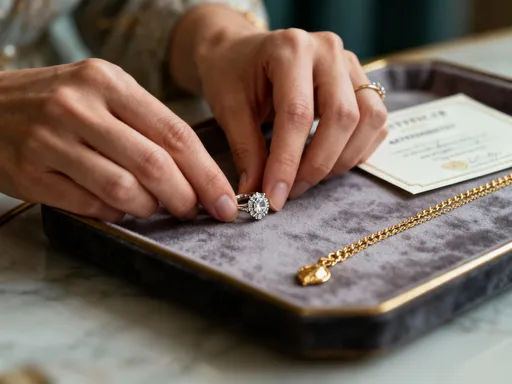
Documentation supports long-term value. Keep receipts, appraisals, certificates, and photographs for every piece. Update appraisals every three to five years to reflect market changes. Store these records securely, either digitally with encryption or in a fireproof safe. A well-documented collection not only simplifies resale but also strengthens provenance, making it more attractive to collectors and dealers. By treating jewelry ownership with care and organization, investors ensure that beauty and value coexist for years to come.
Risk Control: Avoiding Emotional Buys and Fake Gems
One of the greatest risks in jewelry investing is emotional decision-making. A piece may evoke nostalgia, represent a milestone, or be gifted with deep sentiment—but these feelings can cloud judgment. Buying solely for emotion often leads to overpaying, choosing trendy designs, or accepting inflated appraisals. The most disciplined investors separate sentiment from strategy. They appreciate the emotional dimension but evaluate each purchase through objective criteria: material quality, craftsmanship, certification, and market demand. This doesn’t mean avoiding meaningful pieces—it means ensuring they also meet investment standards.
Another major risk is counterfeit or misrepresented jewelry. The market is filled with imitation gemstones, gold-plated fakes, and forged certificates. Unverified sellers, especially on online platforms, may use professional photos and persuasive language to disguise low-quality items. To protect against fraud, always buy from reputable sources with transparent histories. Auction houses like Sotheby’s or Christie’s, certified jewelers with physical stores, and dealers affiliated with professional organizations like the Gemological Institute of America (GIA) or the American Gem Society (AGS) offer greater accountability. When in doubt, seek third-party verification before finalizing a purchase.
Liquidity is a lesser-known but real challenge. Unlike stocks, which can be sold in minutes, jewelry resale can take time. Finding the right buyer—whether a dealer, collector, or auction house—requires patience. Prices may vary widely depending on the market, and selling too quickly can result in significant losses. Exit planning is essential. Understand the resale channels available, from private sales to consignment shops, and have a clear idea of your time horizon. If you anticipate needing cash within a few years, jewelry may not be the best asset. But for long-term wealth preservation, its stability and tangibility offer unique advantages.
Finally, professional advice is invaluable. A certified gemologist or financial advisor with experience in alternative assets can help evaluate pieces, assess market trends, and avoid common pitfalls. They can also guide estate planning, ensuring that jewelry is passed down efficiently and tax-effectively. By combining emotional awareness with rigorous due diligence, investors protect both their hearts and their portfolios.
The Bigger Picture: Jewelry as Part of Your Financial Ecosystem
Jewelry should not stand alone as an investment—it works best when integrated into a broader financial strategy. Traditional assets like stocks, bonds, and real estate offer liquidity and growth, but they are also subject to market volatility and digital abstraction. Jewelry, in contrast, is tangible, portable, and emotionally resonant. It provides diversification by introducing a physical asset class that doesn’t move in lockstep with financial markets. During periods of inflation or currency devaluation, precious metals and gemstones often retain or increase in value, serving as a hedge against economic uncertainty.
While jewelry is not a high-yield asset, its role is not to generate income but to preserve wealth. It functions similarly to fine art or collectible watches—appreciating slowly but steadily over decades. For families, it offers a unique form of intergenerational wealth transfer. A daughter inheriting her mother’s diamond earrings receives not just financial value but a connection to family history. This dual benefit—economic and emotional—makes jewelry a powerful tool in legacy planning. With proper documentation and insurance, these assets can be passed down with clarity and intention.
Realistic expectations are crucial. Jewelry investing is not a path to overnight riches. It requires patience, research, and discipline. Returns may not match those of the stock market, but they come with lower volatility and a sense of permanence. It’s also important to keep allocation in check—most financial advisors suggest limiting alternative assets like jewelry to 5–10% of a total portfolio. This ensures that core financial goals—retirement, education, home ownership—are not compromised.
Ultimately, jewelry investing is about balance. It’s about making choices that reflect both personal values and financial wisdom. When guided by knowledge, it becomes more than adornment. It becomes a quiet, resilient part of a well-rounded financial life—a legacy in the making, one carefully chosen piece at a time.
Jewelry investment isn’t about getting rich quick—it’s about making thoughtful choices that blend beauty with enduring worth. When guided by knowledge and discipline, your collection can become more than personal treasure: it can be a quiet, resilient part of your financial future.