How I Finally Made Low-Fat Eating Actually Work — No Gimmicks, Just Real Changes
For years, I thought “low-fat” meant dry chicken, sad salads, and constant hunger. I tried it half-heartedly, gave up, gained weight, and felt guilty. But after learning how to eat smart—not just less fat—I saw real results: more energy, better digestion, and steady weight loss. This isn’t about extreme rules or bland meals. It’s about making simple, sustainable shifts that fit real life. If you’ve ever struggled with low-fat eating, this guide shares what actually worked for me—and why it might work for you too.
The Low-Fat Lie I Believed (And Why It Failed)
Like many women juggling family, work, and personal well-being, I turned to low-fat eating hoping for a solution to unrelenting weight gain and low energy. My first attempts were rooted in what I saw in magazines and heard from friends: cut out fat, eat diet-labeled foods, and survive on lean protein and steamed vegetables. But within days, I felt unsatisfied, irritable, and mentally foggy. By the end of the week, I was reaching for cookies and cheese, convinced I lacked willpower. The truth was not a lack of discipline, but a misunderstanding of what low-fat eating should really be.
The problem began with processed “low-fat” products. I stocked my pantry with low-fat cookies, fat-free salad dressings, and diet frozen meals, believing I was making healthy choices. What I didn’t realize was that food manufacturers often replace fat with sugar, refined carbohydrates, and artificial additives to maintain flavor and texture. A single serving of fat-free yogurt, for example, could contain as much sugar as a dessert. These substitutions led to blood sugar spikes, increased cravings, and ultimately, more calorie consumption than if I had eaten a moderate amount of full-fat, natural food.
Another major issue was satiety. Fat plays a crucial role in signaling fullness to the brain. Without it, meals didn’t satisfy me, and I found myself snacking constantly. I was eating fewer calories on paper, but my body was in a state of perceived deprivation. This triggered a survival response—slower metabolism, increased hunger hormones like ghrelin, and a strong desire for high-calorie foods. My body wasn’t broken; it was responding exactly as it should to an unbalanced approach.
What finally changed was shifting my mindset from restriction to replacement. Instead of asking, “What can I cut out?” I began asking, “What can I swap in?” I stopped looking at low-fat eating as a punishment and started seeing it as an opportunity to rediscover whole, nutrient-dense foods. The failure wasn’t in the concept of reducing fat—it was in the execution. When I moved away from processed substitutes and focused on real, minimally processed ingredients, everything shifted.
Why Fat Matters — And When It Doesn’t
Fat is not the enemy. In fact, it’s essential for life. It helps absorb vital vitamins like A, D, E, and K, supports hormone production, cushions organs, and provides long-lasting energy. The issue isn’t fat itself, but the type, amount, and context in which it’s consumed. Understanding this distinction was the turning point in my journey. I learned that not all fats are created equal, and choosing wisely made all the difference.
Saturated fats, primarily found in animal products like red meat, butter, and full-fat dairy, can raise LDL cholesterol—the “bad” kind—when consumed in excess. While they don’t need to be eliminated completely, health experts recommend limiting them to less than 10% of daily calories. I began reducing my intake by switching from whole milk to low-fat or skim versions, using less butter in cooking, and choosing lean cuts of meat. These small changes didn’t leave me feeling deprived but had a measurable impact on my health markers over time.
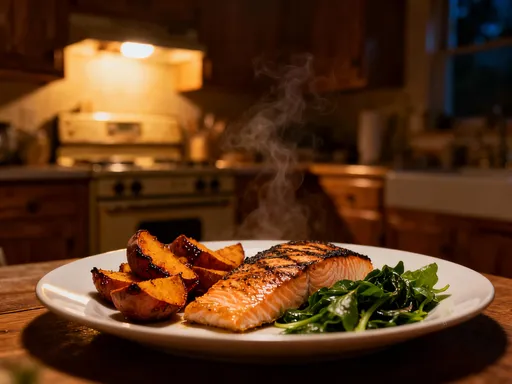
On the other hand, unsaturated fats—found in foods like avocados, nuts, seeds, olive oil, and fatty fish—are heart-healthy and should be included in a balanced diet. These fats help lower LDL cholesterol while raising HDL, the “good” cholesterol. I started incorporating a handful of almonds as a snack, drizzling olive oil over roasted vegetables, and eating salmon twice a week. These additions not only improved my cholesterol levels but also kept me full and energized throughout the day.
Trans fats, often found in processed and fried foods, are the ones to avoid completely. These artificially created fats increase inflammation, raise bad cholesterol, and lower good cholesterol, significantly increasing the risk of heart disease. I made it a point to read nutrition labels and avoid any product listing “partially hydrogenated oils” in the ingredients. This meant saying no to many packaged snacks, baked goods, and fast food items that once seemed harmless.
Portion control also became a key factor. Even healthy fats are calorie-dense—about 9 calories per gram, more than double that of carbohydrates or protein. I learned that while avocado is nutritious, eating half a large one every day could add hundreds of extra calories. Using measuring spoons for oils and being mindful of serving sizes helped me enjoy healthy fats without overdoing it. Balance, not elimination, became my guiding principle.
My Kitchen Overhaul: What Changed on My Plate
Transforming my eating habits started with a complete reorganization of my kitchen. I cleared out processed snacks, sugary cereals, and high-fat condiments. In their place, I stocked whole grains, legumes, fresh produce, lean proteins, and healthy cooking staples. This wasn’t an overnight change, but a gradual shift that made healthy choices the default rather than the exception. The goal wasn’t perfection, but progress.
Breakfast used to be a sugar-laden bowl of cereal or a buttery pastry grabbed on the go. Now, I start my day with a bowl of oatmeal made with skim milk, topped with berries and a sprinkle of chia seeds. Sometimes I have a vegetable omelet made with egg whites and a small amount of feta cheese, cooked in a non-stick pan with minimal oil. These meals are satisfying, low in saturated fat, and rich in fiber and protein, which help me stay full until lunch.
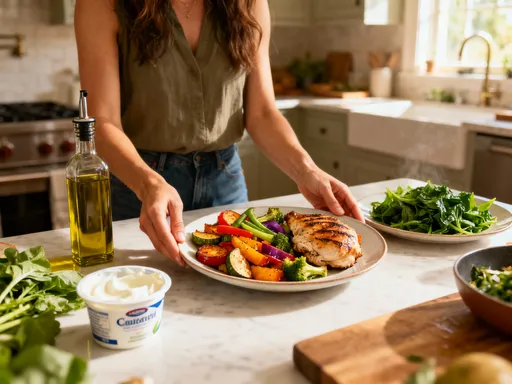
Lunch evolved from deli sandwiches on white bread to colorful salads with mixed greens, grilled chicken, chickpeas, cucumbers, tomatoes, and a light vinaigrette. I began packing my own meals to avoid the hidden fats in restaurant food. On busy days, I prepare large batches of quinoa or brown rice bowls with roasted vegetables and a lean protein, which I store in the fridge for easy access. These meals are not only lower in fat but also more nutrient-rich than my previous choices.
Dinner was where the biggest changes happened. I used to rely on creamy pastas, buttery sauces, and fried foods. Now, I focus on grilled, baked, or roasted dishes. A typical dinner might be baked lemon-herb chicken with a side of roasted sweet potatoes and steamed broccoli. I use herbs, spices, citrus, and vinegar to add flavor instead of fat. I discovered that roasting vegetables brings out their natural sweetness, making them far more enjoyable than when steamed or boiled.
One of the most helpful swaps was using plain Greek yogurt in place of sour cream, mayonnaise, or cream cheese. It’s high in protein, low in fat, and versatile enough to use in dips, dressings, and even baking. I make a creamy ranch dressing with Greek yogurt, garlic powder, and dill, which my family loves on salads and veggies. These small substitutions made a big difference in reducing saturated fat without sacrificing taste.
Sneaky Fat Traps — And How I Avoided Them
Even with the best intentions, hidden fats can derail progress. I was shocked to learn how much oil is used in restaurant cooking, even in dishes that seem healthy. A simple stir-fry at a takeout place can contain several tablespoons of oil—adding hundreds of calories and grams of fat. Store-bought hummus, granola bars, and pre-made salads often contain added oils, butter, or cheese that aren’t obvious from the packaging.
Salad dressings were a major pitfall. Many bottled vinaigrettes contain more oil than vinegar, and creamy dressings like ranch or Caesar are loaded with fat. I started making my own dressings at home using olive oil in small amounts, lemon juice, mustard, and herbs. This way, I controlled the ingredients and portion size. When eating out, I always ask for dressing on the side and use just a small amount to dip my fork before each bite.
Baked goods labeled “low-fat” or “diet” are another trap. To compensate for flavor loss, they often contain extra sugar and refined flour. I stopped buying these and instead satisfy my sweet tooth with fresh fruit, a small square of dark chocolate, or a homemade oat-based treat sweetened with applesauce or mashed banana. These alternatives are lower in fat and sugar while still feeling like a treat.
Breakfast foods like muffins, bagels, and flavored yogurts also hide fat. I began reading labels carefully and choosing options with less than 3 grams of fat per serving. I switched to plain yogurt and added my own fruit, which cut out unnecessary sugars and fats. At coffee shops, I opted for egg-white sandwiches on whole grain English muffins instead of buttery pastries or sausage biscuits.
Cooking at home became my best defense. When I control the ingredients, I know exactly what goes into my meals. I use non-stick pans, cooking spray, or small amounts of broth to sauté vegetables instead of oil. I bake, grill, or steam proteins rather than frying them. These habits helped me avoid the invisible fats that can accumulate throughout the day and sabotage long-term goals.
Eating Out Without Sabotaging Progress
Dining out used to feel like a free pass to indulge, followed by guilt and backtracking. I’ve learned that with a little planning and awareness, it’s possible to enjoy meals out while staying aligned with low-fat goals. The key is not denial, but informed decision-making.
I now review menus online before going to a restaurant. This allows me to identify healthier options and avoid last-minute temptations. I look for dishes that are grilled, baked, steamed, or roasted rather than fried, breaded, or creamy. I pay attention to preparation methods—“pan-seared” often means cooked in oil, while “grilled” typically uses less fat. I’m not afraid to ask questions about how a dish is made or to request modifications.
My go-to orders include grilled fish or chicken with a side of vegetables or salad, a broth-based soup with a whole grain roll, or a vegetable stir-fry with tofu or shrimp, asking for minimal oil. At Mexican restaurants, I choose fajitas with lean meat and load up on peppers and onions, skipping the sour cream and cheese. At Italian places, I opt for tomato-based sauces like marinara instead of alfredo, and I ask for pasta to be cooked without added butter.
Social pressure can be challenging, especially when others are ordering rich desserts or cocktails. I’ve learned to be polite but firm. I might say, “I’m really enjoying my meal as it is,” or “I’ll take a break from dessert tonight.” I don’t apologize for my choices. Over time, friends and family have come to respect my habits, and some have even started making healthier choices themselves.
When it comes to alcohol, I limit myself to one glass of wine or a light beer, knowing that alcoholic beverages are high in empty calories and often paired with high-fat snacks. I drink water between alcoholic drinks to stay hydrated and reduce overall intake. Planning ahead—like eating a small, healthy snack before going out—helps prevent overeating due to extreme hunger.
The goal isn’t to be perfect, but to stay consistent. One meal out won’t ruin progress, just as one indulgent meal won’t undo weeks of effort. The cumulative effect of mindful choices matters most. By making smart decisions most of the time, I’ve found that I can enjoy social dining without derailing my health goals.
The Unexpected Benefits I Didn’t See Coming
Weight loss was the initial motivator, but the other improvements surprised me. Within a few weeks of changing my eating habits, I noticed I had more energy throughout the day. The mid-afternoon slump that used to require a nap or a sugary pick-me-up disappeared. I felt more alert, focused, and emotionally balanced. I didn’t expect diet changes to affect my mood, but research shows that reducing saturated fats and increasing whole plant foods can positively impact brain health and reduce inflammation.
Digestion improved significantly. I used to experience bloating and discomfort after meals, especially those high in fat. With less fat and more fiber from vegetables, fruits, whole grains, and legumes, my digestion became more regular and comfortable. I didn’t need to rely on antacids or digestive aids anymore. My skin also cleared up—less greasiness, fewer breakouts. While many factors affect skin health, reducing processed and high-fat foods played a noticeable role.
My sleep quality improved. I no longer felt heavy or sluggish after dinner, which made it easier to fall asleep and stay asleep. I also noticed that I wasn’t waking up in the middle of the night with indigestion. These changes contributed to a greater sense of overall well-being.
During my annual physical, my doctor commented on my improved blood work. My LDL cholesterol had dropped, HDL had increased slightly, and my triglycerides were in a healthier range. I hadn’t mentioned my dietary changes, but my lab results told the story. My doctor encouraged me to keep going, reinforcing that what I was doing was not only sustainable but medically beneficial.
These benefits didn’t happen overnight. They built gradually, reinforcing my commitment. I wasn’t just losing weight—I was gaining health. The motivation shifted from appearance to vitality. I wanted to feel good, not just look good. That internal shift made all the difference in staying consistent.
Building a Lifestyle, Not a Diet
The real success wasn’t measured in pounds lost, but in habits gained. I stopped thinking of this as a temporary diet and started seeing it as a permanent way of eating. I allowed myself flexibility—enjoying a slice of cheese pizza at my daughter’s birthday or a small piece of pie during the holidays—without guilt or fear of failure. I learned that one meal doesn’t define my health, but my overall pattern does.
Consistency, not perfection, became my mantra. I didn’t need to eat perfectly every day to see results. What mattered was returning to healthy habits after a slip-up. I focused on progress, not the scale. Some weeks, the number didn’t change, but my clothes fit better, my energy was higher, and I felt stronger. These non-scale victories kept me motivated.
Mindset played a crucial role. I stopped viewing food as the enemy or myself as lacking willpower. Instead, I saw each meal as an opportunity to care for my body. I practiced mindful eating—sitting down to eat, chewing slowly, and paying attention to hunger and fullness cues. This helped me enjoy food more and avoid overeating.
I also involved my family. I didn’t impose strict rules on them, but I made healthier versions of favorite meals. My kids now eat roasted vegetables without complaint, and my husband has come to prefer grilled chicken over fried. Cooking together became a bonding activity, and eating well became a shared value.
Sustainability beats speed. Rapid weight loss diets often lead to rebound gain because they’re too restrictive to maintain. By making gradual, realistic changes, I built a lifestyle I could live with long-term. I didn’t need willpower—I needed a plan that fit my life. And that made all the difference.
Going low-fat doesn’t have to mean going miserable. It’s not about extreme rules or flavorless meals. It’s about making informed, doable changes that support long-term health. My journey wasn’t perfect, but it was real. By focusing on whole foods, avoiding hidden fats, and eating mindfully, I built a way of eating that fits my life—not fights it. If you’ve given up before, maybe it wasn’t the plan that failed. Maybe it was just time to try it the right way.